



What Type Of Light Do Plants Need?
Plants need light that supports photosynthesis and stable growth. In practice, the right plant lighting comes down to three variables you can measure and control: spectrum, intensity, and photoperiod. When any one of these is off, common results include slow growth, weak stems, poor leaf color, delayed flowering, and inconsistent yields.
AURG focuses on plant grow lights built around adaptive spectrum control, intelligent dimming, and durable, internationally certified construction. You can view the available grow light options on the AURG products page.
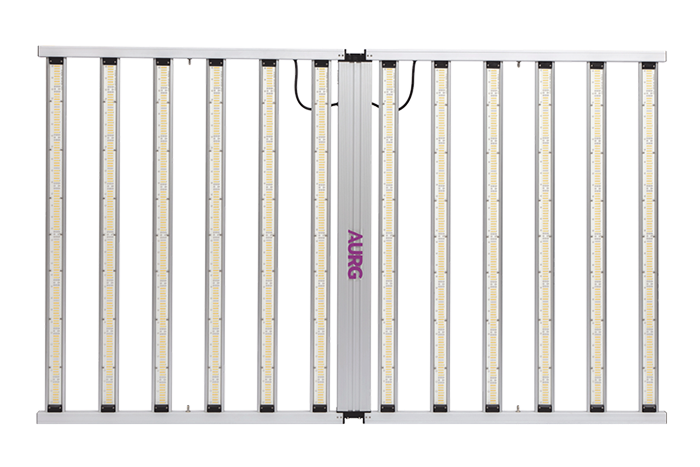
1) Spectrum: What Wavelengths Plants Use Most
Plants respond differently to different parts of the light spectrum. While sunlight contains a full spectrum, indoor cultivation typically relies on LED spectra designed to target plant needs efficiently.
Blue light range and what it supports
Blue-dominant light is commonly used to support compact vegetative growth, leaf development, and stronger structure. In many crops, adequate blue content helps reduce stretching and supports denser canopies.
Red light range and what it supports
Red-dominant light is widely used to drive photosynthesis efficiently and to support flowering and fruiting in many species. In controlled environments, red content is often increased during bloom stages.
Broad-spectrum strategy for stable results
For most commercial and serious home grows, broad-spectrum lighting is used to reduce stage-to-stage shocks and provide consistent canopy performance. The goal is not only strong photosynthesis, but also predictable morphology and crop timing.
AURG’s adaptive spectrum approach is designed to adjust spectrum according to plant growth cycles, allowing you to tune light recipes when switching from vegetative growth to flowering or when growing different crop types.
2) Intensity: How Bright the Light Needs to Be
Intensity is the most common reason plants underperform indoors. Even with a good spectrum, insufficient intensity reduces photosynthesis and slows growth. Too much intensity can stress plants, increase leaf temperature, and reduce quality.
Key terms you should know
PPFD: a measure of how much usable light reaches the plant canopy per square meter per second.
DLI: the total usable light plants receive per day, based on PPFD and photoperiod.
If your canopy is uneven or your fixtures are too far from the crop, PPFD can vary widely across a single bench. This is why dimming and layout planning matter.
AURG grow lights include intelligent dimming functionality so growers can adjust intensity without changing the fixture height, making it easier to keep PPFD stable across stages and prevent sudden stress when plants mature.
3) Photoperiod: How Many Hours of Light Plants Need
Photoperiod is the daily duration of light exposure. It influences growth rate, plant size, and—depending on the species—flowering behavior.
Typical lighting schedules by crop behavior
Day-neutral plants respond mainly to total light and conditions, not day length.
Long-day plants tend to flower when the day length increases beyond a threshold.
Short-day plants tend to flower when day length decreases below a threshold.
For mixed crop rooms, scheduling is often the first constraint. Growers may separate zones or rely on programmable dimming schedules to keep targets consistent.
AURG systems are designed for controlled scheduling so growers can adjust duration together with intensity and spectrum, rather than changing only one variable and guessing the result.
4) Recommended Targets by Growth Stage
Exact targets depend on crop type, genetics, CO2 level, temperature, humidity, and nutrient strategy. The table below provides practical starting ranges used by many growers. Adjust gradually and observe plant response.
| Growth Stage | Spectrum Strategy | PPFD Starting Range | Common Photoperiod | Practical Notes |
|---|---|---|---|---|
| Seedlings / Clones | Broad spectrum with steady blue support | 100–300 µmol/m²/s | 16–20 hours | Keep intensity moderate to reduce stress and dehydration. Maintain stable distance and uniform coverage. |
| Vegetative | Broad spectrum with adequate blue and balanced red | 300–600 µmol/m²/s | 16–18 hours | Increase intensity as canopy builds. Use dimming to avoid stretch and maintain uniformity across the bench. |
| Flowering / Fruiting | Broad spectrum with stronger red emphasis as needed | 600–1000 µmol/m²/s | 10–12 hours for short-day crops, 12–16 hours for others | Manage heat at canopy level and avoid sudden intensity jumps. Stage-based spectrum and dimming changes should be gradual. |
These values are starting points, not fixed rules. The best practice is to make changes in steps, then verify canopy response over several days rather than changing multiple variables at once.
5) Why Light Uniformity Matters as Much as Peak Brightness
A single high reading at the center of the canopy does not guarantee performance. Plants in low-PPFD corners become weaker, mature slower, and can pull overall yield and quality down.
Uniformity improves:
batch consistency
harvest timing predictability
resource efficiency in irrigation and nutrition
visual quality and grading stability for retail products
This is where fixture distribution, optics, mounting height, and dimming control work together. AURG emphasizes measurable, repeatable lighting solutions developed with expert input, supporting growers who need consistent outcomes across different crop areas.
6) How to Choose the Right Grow Light Type for Your Setup
Different environments need different mechanical and control priorities. Use the checklist below to match light type to real operating needs.
For single-room home grows: prioritize controllable dimming, simple mounting, and stable spectrum to reduce trial-and-error.
For racks and vertical farming: prioritize uniform distribution, heat management, and scalable control because distance to canopy is limited.
For greenhouses: prioritize supplemental intensity control, durability, and stable performance under humidity and temperature variations.
For commercial rooms: prioritize repeatability, certification compliance, and serviceability for long-term operation.
AURG is built around R&D strengths in optics, electronics, and agriculture-related application work, and its product direction emphasizes adaptive spectrum technology, expert-backed lighting strategies, and internationally certified quality for reliable operation.
7) Practical Setup Steps to Get Better Results Faster
If you want a stable baseline before fine-tuning:
Start with broad-spectrum lighting and a moderate PPFD target for the stage.
Keep photoperiod consistent for at least one week before making changes.
Use dimming to increase intensity gradually as plants mature instead of changing fixture height repeatedly.
Check canopy-level readings across multiple points, not just the center.
Make spectrum changes at stage transitions gradually, especially when moving into bloom.
This approach reduces stress swings and makes plant response easier to interpret.
Conclusion
Plants need the right type of light defined by spectrum, intensity, and photoperiod. A practical lighting plan starts with broad-spectrum coverage, then uses measured PPFD targets and stable day-length schedules to support each growth stage. When spectrum and intensity can be adjusted with control and consistency, growers can improve uniformity, reduce variability, and make outcomes more predictable.
If you are selecting grow lights for home cultivation, vertical racks, greenhouses, or commercial rooms, explore AURG products to compare options that support adaptive spectrum adjustment, intelligent dimming, and durable certified construction.