



What Is A Linear Light?
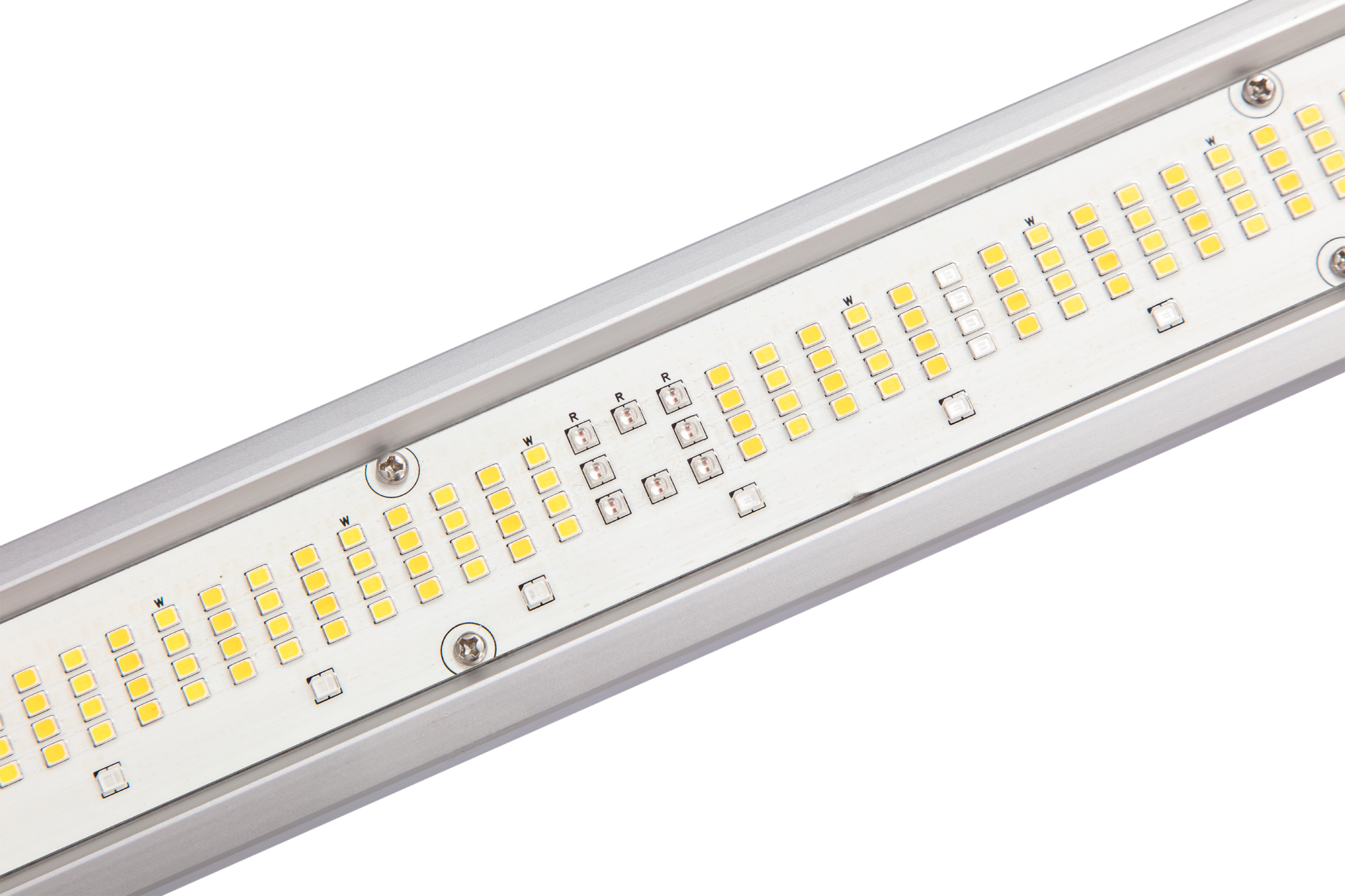
A linear light is a lighting fixture built in a long, narrow form so it can spread light more evenly across a larger area than a small point-source lamp. Instead of creating one concentrated beam, it creates a more continuous lighting pattern. That is why linear lights are widely used in commercial interiors, retail displays, offices, architectural projects, and, in some cases, specialized lighting fields such as plant growth lighting.
The basic idea is simple, but for professional buyers the definition goes much further. A linear light is not only about shape. It is also about coverage, layout efficiency, installation method, and how the fixture performs in the intended space. For wholesalers, project buyers, distributors, and OEM customers, those points matter more than the name alone. A lighting product may look modern in a catalog, but if it does not fit the application, the project cost goes up later.
Why Linear Lights Are So Common In Modern Projects
Linear lights became popular because they solve two problems at once. First, they give cleaner and more even light distribution. Second, they fit modern design language much better than many bulky traditional fixtures. In offices and commercial spaces, this helps the lighting feel more intentional. In technical lighting applications, it helps cover larger target areas more efficiently.
This is one reason B-end buyers often prefer linear fixtures for repeat projects. They are easier to align with ceilings, aisles, work areas, shelving, grow zones, and layout grids. In many supply situations, that means easier planning, cleaner installation, and stronger visual consistency across multiple sites. A good linear light is not just attractive. It is easier to standardize.
What Makes A Light Linear
A light is generally called linear when its structure follows a long-format design rather than a compact round or square body. That form may appear as a slim bar, a modular strip, or a multi-bar arrangement. The purpose is usually to deliver extended coverage and a more balanced spread of light across the target area.
This matters because many buyers assume linear only describes architectural ceiling lights. In fact, the concept is broader. Linear lighting also appears in industrial fixtures, shelving lights, under-cabinet systems, display lighting, and horticultural lighting. The same principle applies across these categories: the long-format design helps improve coverage and placement flexibility.
Why Linear Light Matters In Grow Lighting
This is where the topic connects naturally with our product. In plant lighting, a linear form is especially useful because plants usually need broad and even coverage over a canopy, not a single narrow hot spot. Many professional grow lights now use bar-style or multi-bar linear structures for that reason. A broader layout helps distribute light more evenly across the crop area, which supports better consistency in real growing environments.
Our product fits this discussion as a specialized example of a linear light in the horticultural category. The MAX-ZP-1100 is presented as an advanced grow lighting fixture with a full-spectrum configuration, 3300 µmol/s PPF, 3.0 µmol/J efficacy, 100–277V input, and 1100W power. It also uses Samsung, Osram, or Seoul light sources, which places it clearly in the high-output grow-light segment rather than standard decorative or office lighting.
Why Buyers Care About Linear Structure In Commercial Use
For commercial buyers, linear lighting is often easier to work with because it supports predictable layout planning. A distributor may need a fixture that can be repeated across multiple project zones. A project buyer may need consistent light coverage with fewer dark patches. A solution provider may need a product that is easier to explain in performance terms to the final customer.
In grow-lighting projects, this becomes even more important. Buyers are not only comparing wattage. They are looking at canopy coverage, operation cost, efficacy, and whether the fixture design helps make light more usable over the growing area. The product page for this grow light includes dedicated sections for spectra, efficacy and operation cost, and PAR test data, which shows that performance distribution is a key part of how the fixture is positioned.
Why Light Distribution Matters More Than Appearance
A lot of buyers first notice the long shape of a linear light because it looks modern and organized. But in commercial use, the real value is not appearance alone. It is distribution. A compact light source often creates more concentrated output, while a linear layout helps extend that output more evenly along a wider zone.
That is one reason linear lights are useful in plant lighting. Growers and supply buyers usually want more uniform results across the crop area. Uneven coverage can make one part of the canopy stronger and another part weaker, which affects consistency. A linear grow light makes more sense in this context because the fixture design itself helps support the coverage goal. That is also why high-output, full-spectrum linear grow fixtures have gained attention in controlled-environment agriculture and commercial cultivation. The MAX-ZP-1100’s combination of full spectrum and 3300 µmol/s output is directly aligned with that kind of use.
What B-End Buyers Usually Worry About
In real sourcing, buyers rarely ask what is a linear light only because they want a definition. Usually they are trying to understand whether this type of fixture is the right purchase. They care about installation planning, long-term stability, operating efficiency, and whether the supplier can support consistent repeat orders.
In specialized categories like grow lighting, the questions become even more practical. Can the fixture deliver enough output for the intended area. Does the efficacy justify the running cost. Is the input range suitable for the target market. Can the supplier support project communication clearly. These are common B-end pain points, because a grow-light project that looks good on paper can still fail if the fixture is mismatched or the supplier support is weak.
Why Supplier Capability Matters
A linear light is not just a product. In many cases, it is part of a system decision. This is especially true in plant-lighting projects, where buyers often need to consider spectrum, performance, cost efficiency, and deployment scale at the same time. That is why supplier capability matters as much as the fixture itself.
A reliable supplier should help buyers understand whether the light fits the application, not just push one model into every project. In this case, the product is clearly positioned for plant lighting rather than general architectural lighting. That matters because it gives buyers a more precise product story. Instead of a generic long-shaped lamp, they are looking at a specialized linear grow-light fixture designed for high-output horticultural use. The site also places the product under a MAX series and describes the company focus as plant lighting, which supports that supplier-side positioning.
Conclusion
So, what is a linear light? It is a long-format lighting fixture designed to provide more continuous and even light distribution across a wider area. In everyday commercial use, that can mean cleaner ceiling lighting, better display illumination, or more organized workspace lighting. In specialized applications such as plant growth, it can also mean a bar-style or multi-bar fixture that improves canopy coverage and helps deliver light more evenly where performance matters most.
That is why linear lighting is not just a design term. It is a practical lighting approach. In the horticultural field, a high-output linear grow light like our MAX-ZP-1100 shows how this form can support full-spectrum plant lighting with strong PPF and high efficacy for professional use. If you are sourcing linear grow lights for wholesale, project supply, or OEM cooperation, contact us with your application details. We can help you review a more suitable solution for your market, layout, and performance targets.